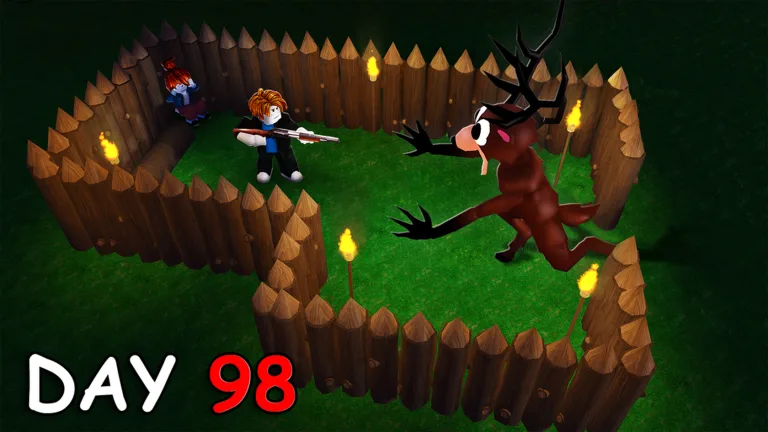
Defense Blueprints
Defense blueprints are the bridge between looting and base control. They let a team turn materials into defensive structures, traps, and utility that reduce the chance of losing the run during night pressure or raids.
What Defense Crafting Is For
| Goal | Example use |
|---|---|
| Slow enemies | Place barriers or traps where enemies naturally path |
| Protect camp roles | Keep the fire keeper and cook from being exposed |
| Buy time | Create enough delay to stun, reposition, or finish a rescue return |
| Control raids | Make cultist pressure less chaotic |
Blueprint Discipline
Blueprints are only useful if they solve the current run problem. Do not build every defense just because you can. A bad placement can waste materials, block teammates, or leave the actual danger path open.
Practical Placement Rules
- Keep the campfire reachable from multiple angles.
- Leave a clean player path for emergency returns.
- Build where enemies path, not where the base looks neat.
- Do not spend all wood before the fire is stable.
- Recheck defenses after raids or bad weather.
Common Mistakes
- Building decorative walls instead of useful control points.
- Blocking teammates away from food or the fire.
- Using rare materials before the team has a clear plan.
- Expecting defenses to replace Flashlight use or campfire management.
Beginner Verdict
Defense blueprints are strong when they support the survival loop: fire, food, light, route, then defense. Build for the next real threat, not for a perfect-looking base.
Build Order For Real Runs
The best defense plan starts before the first wall is placed. Decide what the base needs to survive next: a safer return lane, a raid delay point, a protected cooking area, or a cleaner path around the Campfire. If the team cannot name the problem, do not spend rare materials yet.
For most beginner runs, the order is:
- Keep the Campfire fueled.
- Cook enough food for the next route.
- Keep one clean path in and out of camp.
- Add simple enemy control near likely pressure points.
- Upgrade or expand only after the first layout works.
This keeps defenses practical. A big base with bad paths can be worse than a small base with clear movement.
Raid Preparation
Cultist pressure is where defensive planning becomes more valuable. Before a raid, move food and fuel close to the safe area, check that players can reach the Campfire, and make sure the defense layout does not trap teammates outside. Defenses should slow the fight down so players can focus targets, recharge, revive, and recover.
If enemies are entering from a side nobody watches, do not keep building in the same old spot. Move the control point to the real danger lane.
Solo And Team Differences
Solo players should keep defenses simple. You need escape paths more than a large wall system. Teams can build more, but they also make more pathing mistakes. Tell teammates which openings are for movement and which areas are meant to slow enemies.
Next Fix
If cultists are the reason the base falls, read Cultist Raid Defense next. If material use is confusing, read Crafting before spending more resources.
Source guardrails
This page is kept as player guidance for 99 Nights in the Forest. When exact values, hidden rates, damage numbers, drop chances, or prices are not directly verified by the listed sources, treat them as legacy guide context rather than confirmed current facts.
Bloxpedia Hub does not recommend scripts, executors, mod menus, or downloadable reward tools for this game. Use official Roblox data, visible public source reports, and recently checked code status before spending rare resources.